A Key Element of Preventive Maintenance Strategy
Maximizing Profits by Minimizing Costs – Is It Really Possible?
One of the primary goals of any cement plant is to ensure continuous production while maximizing profits and minimizing costs. Achieving this goal requires keeping production equipment in optimal condition throughout its lifecycle. A Preventive Maintenance Strategy plays a crucial role in this process, focusing on detecting and addressing potential issues before they develop into major failures. Once a problem becomes visually obvious, it is often too late. Implementing preventive maintenance with analytical tools helps eliminate the root causes of failures, preventing costly unplanned downtimes.
The Importance of Hot Kiln Alignment for Rotary Kiln Operation
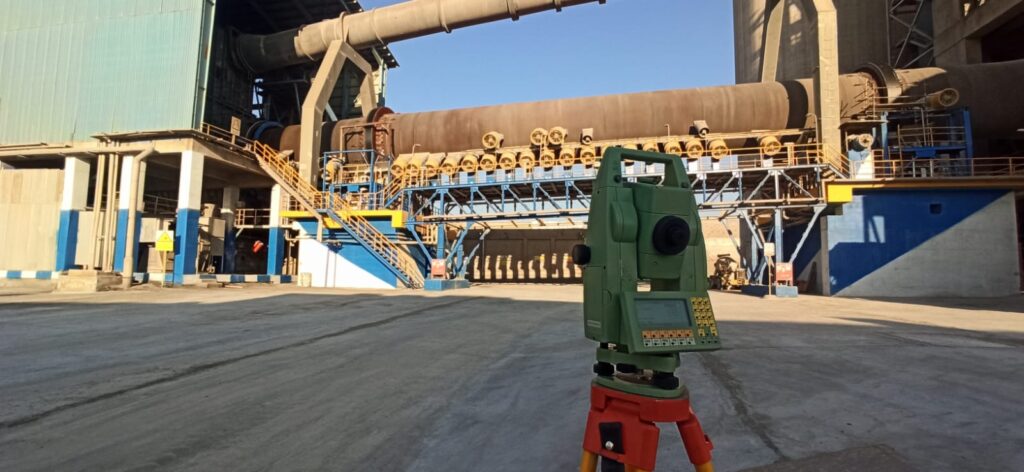
The rotary kiln is the heart of every cement plant. Maintaining its proper condition is challenging yet essential for ensuring continuous production. Research shows that 99% of all kiln-related problems stem from:
- Misalignment of kiln axis
- Axial imbalance
- Kiln shell crank
- Kiln shell ovality
These issues can be effectively diagnosed through Hot Kiln Alignment, making it a critical part of a successful maintenance strategy.
A New Approach – Addressing the Root Causes
A rotary kiln is a complex system influenced by various factors, including:
- Chemical reactions inside the kiln
- Mechanical stresses and movements
- Electrical components and energy consumption
To ensure its reliable operation, maintenance teams must adopt a dynamic approach, just like the kiln itself. Proactively addressing mechanical wear and misalignment prevents deterioration of key components such as:
- Kiln tires
- Support rollers
- Kiln shell
- Refractory brick lining
- Bearings
To obtain a comprehensive and accurate picture of the kiln’s operational condition, various inspection and diagnostic methods should be employed, including:
- Kiln alignment surveys (utilizing advanced technology and expertise)
- Vibration analysis
- Thermographic inspections
- Defectoscopy (non-destructive testing for defects)
- Mechanical stress analysis
Why Periodic Kiln Alignment Matters
As part of a Preventive Maintenance Strategy, regular inspection of rotary kilns ensures early detection of operational issues. Rather than dealing with costly emergency repairs, precise measurements and in-depth analysis help pinpoint the root causes of problems. Ignoring underlying issues leads to recurrent failures, resulting in:
- Unplanned kiln stoppages
- Frequent component replacements
- Accelerated wear and tear
If these symptoms persist, it indicates an ineffective maintenance strategy. To avoid escalating damages, a focused and data-driven approach is essential for making informed maintenance decisions.
The Goal of Hot Kiln Alignment
The primary objective of Hot Kiln Alignment (https://hkahavec.com/) is to conduct a detailed mechanical inspection of rotary kilns, identify existing and potential issues, and recommend necessary actions, such as:
- Precision adjustments
- Component replacements
- Structural repairs
- Operational modifications
By implementing kiln alignment (Hot Kiln Alignment) as a preventive measure, cement plants can significantly improve kiln operation, extend equipment lifespan, and maintain optimal production efficiency. A proactive approach to maintenance ensures cost savings and enhances overall plant performance.
For expert hot kiln alignment services, trust specialized professionals who utilize advanced diagnostic tools and extensive industry experience to keep your rotary kiln running smoothly and efficiently.